
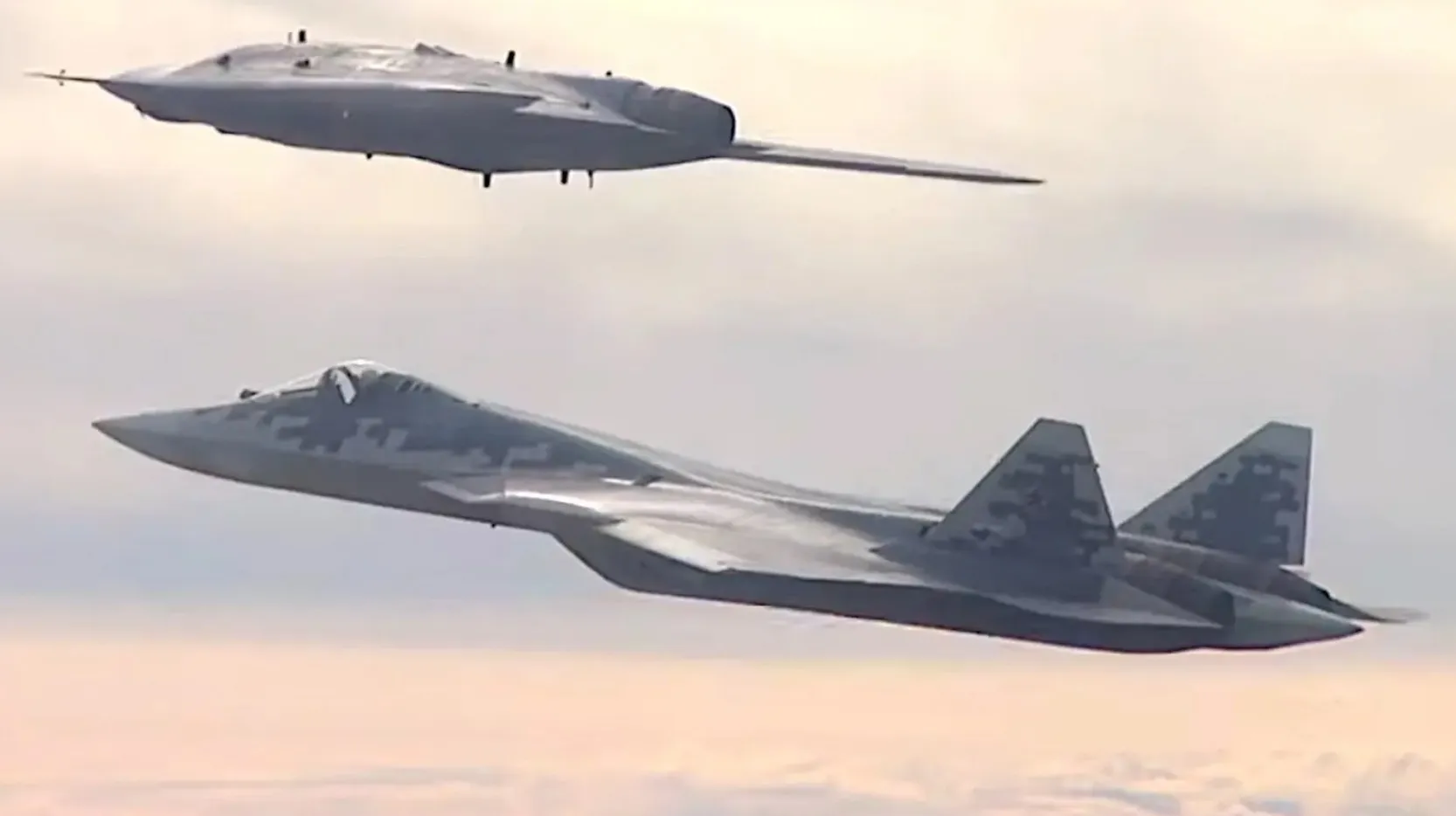
In recent years, advancements in military technology have reshaped the dynamics of global power. Countries like the United States, Russia, and China are at the forefront of this technological race. Europe, however, is struggling to keep up. The emergence of AI models like DeepSeek has raised red flags about the future of warfare and the balance of power.
The Importance of AI in Modern Warfare
Artificial intelligence (AI) is revolutionizing modern warfare. It enhances capabilities in surveillance, target identification, decision-making, and autonomous systems. AI models like DeepSeek can analyze vast amounts of data, predict enemy movements, and optimize military strategies. These advancements have the potential to shift the balance of power. Therefore, it is crucial for countries to invest in AI technology.
Advanced Military Technologies
1. 6th Generation Stealth Aircraft
United States: The US is developing the Next Generation Air Dominance (NGAD) program. This program aims to create a 6th generation fighter jet with advanced stealth, AI integration, and the ability to operate both manned and unmanned.
China: China has unveiled its J-36 6th generation combat aircraft. This aircraft features advanced stealth capabilities, AI integration, and the ability to perform both air-to-air and air-to-ground missions.
Russia: Russia is also developing its own 6th generation fighter jet. It is expected to include advanced stealth, AI, and hypersonic weapons.
2. Ballistic Missiles
United States: The US continues to develop and upgrade its intercontinental ballistic missiles (ICBMs). The Minuteman III has advanced guidance systems and multiple independently targetable reentry vehicles (MIRVs).
China: China has been advancing its DF-41 ICBM. This missile can carry multiple warheads and reach the US mainland.
Russia: Russia’s RS-28 Sarmat, also known as Satan 2, is a heavy ICBM. It is capable of carrying multiple warheads and designed to evade missile defense systems.
3. Electronic Warfare
United States: The US is developing advanced electronic warfare systems like the AN/ALQ-257 Integrated Viper Electronic Warfare Suite (IVEWS) for the F-16 fleet. This system enhances the ability to counter advanced radio frequency threats.
China: China is integrating electronic warfare capabilities into its military strategy. It focuses on disrupting enemy communications and radar systems.
Russia: Russia has been enhancing its electronic warfare capabilities with systems like the Krasukha-4. This system can jam enemy radar and satellite communications.
4. Deep Strike Capabilities
United States: The US has developed the Long Range Anti-Ship Missile (LRASM) and the Joint Air-to-Surface Standoff Missile (JASSM). These missiles can strike targets deep within enemy territory.
China: China is focusing on anti-access/area denial (A2/AD) capabilities with missiles like the DF-21D. These missiles are designed to target aircraft carriers and other high-value assets at long ranges.
Russia: Russia’s Oreshnik missile system is an advanced intermediate-range ballistic missile (IRBM). It is characterized by its speed exceeding Mach 10 and its multiple independently targetable reentry vehicle (MIRV) payload. The Oreshnik is highly difficult to intercept and represents a significant advancement in Russia’s missile capabilities.
Europe’s Challenges
While Europe is making efforts to advance its military technology, it faces challenges in keeping up with the rapid advancements made by Russia, the US, and China. Limited funding, fragmented defense industries, and differing national priorities contribute to Europe’s slower pace of development. This disparity raises concerns about Europe’s ability to compete with these three military titans and maintain its security.
Hypothetical Russia-Europe Invasion Scenario
The ongoing conflict between Russia and Ukraine has already had significant implications for the region. If Ukraine were to be defeated, the consequences could be far-reaching, potentially leading to a broader conflict in Europe.
Defeat of Ukraine
Ukraine’s defeat would mark a significant shift in the balance of power in Eastern Europe. Russia’s military success in Ukraine could embolden it to pursue further territorial ambitions, leveraging its advanced military technology and strategic capabilities.
Targeting the Balkan Countries
Russia has long maintained influence in the Balkans, particularly through its historical and cultural ties with countries like Serbia. If Russia were to expand its military operations beyond Ukraine, it would likely focus on maintaining and expanding its influence rather than outright conquest. The region’s geopolitical significance and historical tensions make it a strategic area for Russia to assert its dominance through political and economic means.
- Serbia: Russia has strong historical ties with Serbia and has supported it in various conflicts. Serbia’s reliance on Russian energy and diplomatic support could make it a key ally or a target for further Russian influence.
- Bosnia and Herzegovina: The complex political landscape and ethnic tensions in Bosnia and Herzegovina could be exploited by Russia to destabilize the region further.
- Montenegro and North Macedonia: Both countries have sought integration with NATO and the EU, but Russia’s influence operations could aim to undermine these efforts and create instability.
Baltic States: Estonia, Latvia, and Lithuania
The Baltic States of Estonia, Latvia, and Lithuania are particularly vulnerable to Russian aggression due to their geographic proximity and historical ties. These countries have taken significant steps to enhance their defense capabilities and strengthen their ties with NATO:
- Estonia: Estonia has a robust defense strategy and has committed to spending 2.31% of its GDP on defense. The country focuses on cyber defense, airspace surveillance, and mobilization.
- Latvia: Latvia has also committed to spending 2.27% of its GDP on defense. The country faces unique challenges due to its border with Russia and Belarus. Latvia focuses on enhancing its military infrastructure and increasing its defense capabilities.
- Lithuania: Lithuania has a defense budget of 2.05% of its GDP and aims to increase it to 2.5% by 2030. The country focuses on protecting the Suwalki Gap, a critical corridor connecting the Baltic States with Poland and the rest of NATO.
Threat to Western Europe
If Russia were to successfully target the Balkan countries and the Baltic States, it could pose a significant threat to Western Europe. The expansion of Russian influence and military presence in these regions would bring the conflict closer to the heart of Europe, raising concerns about the security of NATO member states.
- Hybrid Warfare: Russia’s use of hybrid warfare tactics, including cyber attacks, disinformation campaigns, and economic pressure, could destabilize Western European countries and weaken their resolve to support Ukraine and other Eastern European nations.
- Military Escalation: The presence of Russian forces in the Balkans and the Baltic States could lead to increased military tensions and the potential for direct confrontation with NATO forces. This escalation could have severe consequences for global security.
- Economic Impact: The conflict could disrupt trade routes, energy supplies, and economic stability in Europe. Sanctions and countermeasures could further strain the global economy.
The hypothetical scenario of Russia defeating Ukraine and expanding its influence into the Balkans, Baltic States, and Western Europe highlights the importance of maintaining strong defense capabilities and international cooperation. The potential for such a conflict underscores the need for vigilance and preparedness to ensure global stability and security.
Ready to stay updated on the latest advancements in military technology and global security? Subscribe to our newsletter for exclusive insights and join our community of enthusiasts. Share your thoughts on these topics in the comments below—we’d love to hear from you!